

PhD Journey #2: The inner thoughts of imposter feelings are stirring inside
Includes a mini-guide on research and reflective writing prompts, these prompts are focused on experiences of imposter syndrome in writing.

“Your PhD thesis is not just a document; it is a reflection of your ability to think critically and innovate.” - unknown
Stepping into my third year of the doctorate feels less like crossing a threshold and more like returning to a landscape I’m finally beginning to understand. This path is still moving, but it no longer feels foreign. I can sense the direction I have carved through reading, writing, questioning, and circling back again in a non-linier kind of way.
If you are new here, you may want to go to the beginning where it all started…

PhD Journey
What? - This year carries a different weight. Not heavier just more intentional that is interconnecting all the lessons I have learned along the way. The early years were about gathering readings, literature reviews, research proposals, ideas, reviewing theories, choosing methods and methodology, formulating research questions I wasn’t yet ready to ask aloud. Now the work feels deeper and richer in its nature, with deeper reflections that feel at the time emotionally tense.
I’m noticing how my research diary has become a companion rather than a requirement. It’s where I trace my research movements, decisions of my thinking, where I let myself be vulnerable. It is a practice of longing enough for it to teach me something. This process feels deeply personal and professional in one entry. I grow as a person as well as research at the same time.
If the first year was about orientation, research proposals and research ethics applications. Receiving regular mentoring. Managing the balance of work, life, love, research, and self-care. Noticing imposter syndrome kicking in.
The second year was about promoting my research project, recruiting participants and analysing transcripts of data. Noticing, reviewing and monitoring how my work, life, love and self-care are tracking. Exhaustion was well and being truly present. The imposter syndrome was still hanging around. I wondered why and found this interesting research study.
So what? - According to Wang and Li (2023) scoping review of 30 studies on the impostor syndrome among doctoral students highlights strong links between impostor feelings and mental‑health challenges including anxiety, depression, burnout, and procrastination.
My aha moment arrived reading this particular article, what I found fascinating is that so many studies arrived at similar conclusions. I often don’t name this in my writing perhaps its avoidance, or personal boundaries, maybe it is being mindful of the reader and their experience or being a trauma-informed writer. I even removed details from this paragraph that felt too vulnerable, wondering the value it would give others. I believe the ‘imposter’ feeling for me is deeply seeded in my core beliefs about myself and from my childhood experiences. Life shapes us in mysterious ways. These core beliefs are repeated throughout generations within my family… I traced them back to WWII. Something I will need to feel comfortable about sharing more openly so my research makes sense to the readers, reviewers, knowers and thinkers. This part feels heavy, vulnerable and unexpected. I notice other researchers present their positioning with such ease. Perhaps that’s when I feel it the most, an imposter thoughts creep in “I shouldn’t be here” and “I don’t belong”.
I really liked Rachel Writes Fiction description of this feeling ‘it feels like walking on the edge of growth’. I wonder if that is when I feel like an imposter, I am learning and I am growing. I don’t have all the answers, but I am working on it.
Now what? - The journey is different for everyone; we all have a different purpose and our writing or research topics that are in some way connected to us. The journey is long with many twists and turns, ups and downs, some moments that are cringy and other moments feel more like awe. Every journey has aha moments, setbacks, progress, a pause and a finish line. All PhD students are in very different stages of life too.
I am in midlife. PhD mum of three.
With a clearer understanding of where these feelings and beliefs come from, my attention intentionally moves my focus to look for concrete evidence that challenges my thoughts and feelings of being an imposter. In the last two years of my doctorate I experienced and celebrated many ‘tiny wins’ along the journey that led to the following big tangible ‘wins’ in my story.
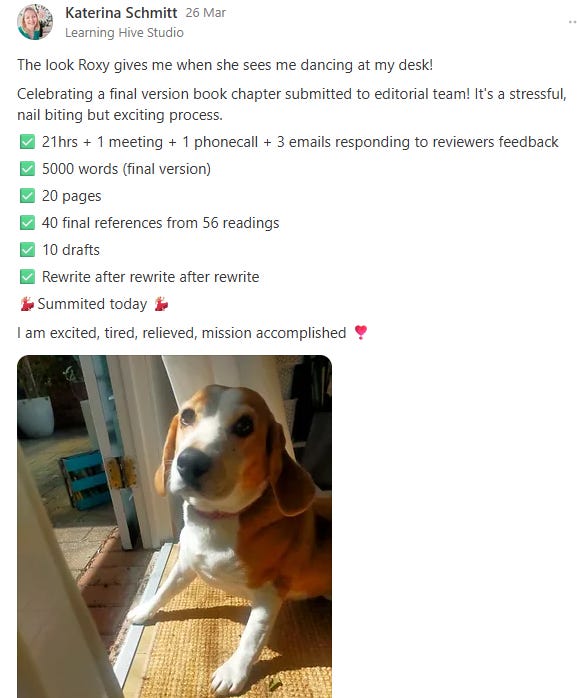
The above is the look Roxy gave me when I celebrated the final submission of another book chapter that I have been working on. This seemed like a long emotionally and psychologically testing process. But just to keep it real, this only followed by a total hard rejection when my final version did ‘fit’ into the book narrative, when my final version of this chapter was rejected.
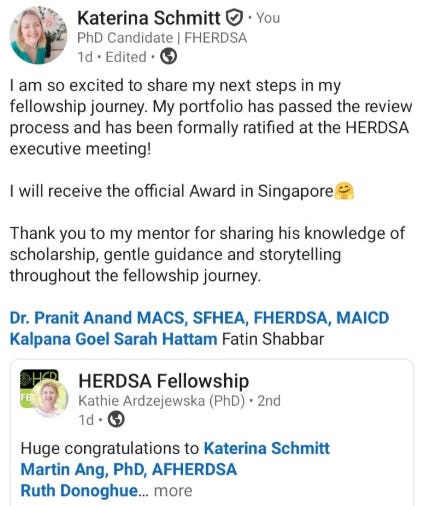
The above is a LinkedIn post from HERDSA Fellowship group celebrating the completion of the Fellowship program. I completed two years of mentoring in scholarship of teaching and learning. My teaching portfolio has been ratified, and I was informed that I would receive the ‘Fellow’ award at the next conference in Singapore.

My abstract was accepted to present at the HERDSA Annual Conference in Singapore. I am dreaming of a beautiful girl’s trip with fellow PhDs. Celebrating a trip to Singapore, a country I have never been too before, I am really excited about this trip.
And here we are now. The start of my third year begins at the end of April 2026
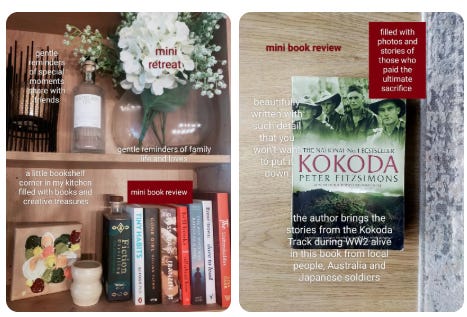
Photos from of my week, sharing what I am consuming and creating.
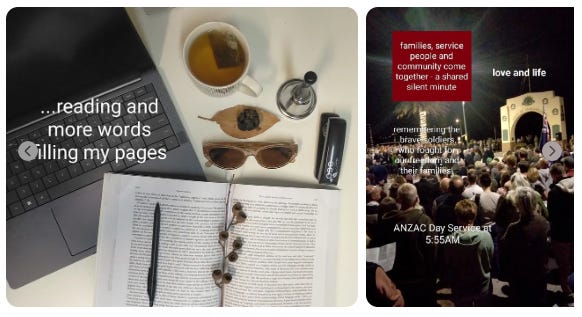
Photos from my week, sharing how I release what I consume and create.
Time to pause and take a mini retreat.
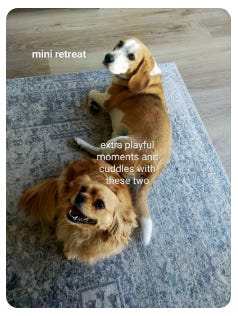
This photo is a reminder I need to bring mini retreats into my days.
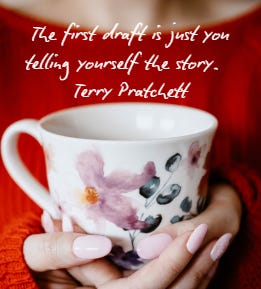
One of my research diaries where I document my thoughts, ideas and reflections.
"Sometimes the questions are complicated and the answers are simple.” — Dr. Seuss
On a closing fieldnote, When I sit with what I’ve learned, I try to honour it by giving it space to breathe before I turn it into something shareable. I find when releasing these reflections into words, I’m not just documenting the learning; I’m transforming my inner hive.
Continue reading…

Beautiful, Katerina. I really connected with this, especially the part about imposter feelings being tied to something much deeper than the PhD itself.
From my own experience, research can bring up so much of what we already carry. It is not only about writing, analysing, or producing work. It can also touch old beliefs about whether we belong, whether we are good enough, and whether our voice has a place in the work.
Reading this made me think I wish I had done something like your research diary during my own PhD. A place to notice the process while I was inside it, instead of only understanding parts of it afterwards.
Also, Roxy’s face after your submission is hilarious. That look says everything 😂
Thank you Sara, Roxy is my emotional support during days of lonely writing and reflecting.
Imposter feelings have been brewing the last two years and I couldn't full understanding them. I want to keep exploring these as I move through my journey.
For me it's linked to my refugee experiences.. I think...