
A Student Again at 45: Here is What I Have Learned About Studying Again
A reflection on what it feels like to be a student again at 45. How I changed my negative self-talk into positive self-talk.

Hello Beezee Bees,
Have there been a hum moment, a wish or desire to return to study again? Maybe returning to university, signing up for an online course or workshop, or simply learning for the joy of it. Except that little voice inside keeps buzzing with self‑doubt about what it might feel like to be a student again? What about paying bills? What about looking after children? That voice is capable of freezing wings of wonder mid‑flight. I’ve been there, and I hope my story offers a bit of hope and a gentle hum of encouragement from my own experience.
Stepping back into study at 45 was not accidental. It was a particular time in my career where I felt stuck and reflected that time and passed me by with raising my family, working and juggling life that I still hadn’t achieved one goal I promised myself that I would achieve… develop research skills and become a researcher. I was incredibly grateful and was accepted into a PhD program with a project I designed under the guidance of my supervisory panel. It was this initial act of developing a research proposal, reading 100s of journal articles and sifting through databases, working, looking after my family and I needed to relearn how to learn.
Many people imagine education as something that happens early in life, but the truth is far more interesting: midlife learning is richer, deeper, and often far more meaningful because it is intrinsically motivated. I connected with other older students who were in the same boat and the genuine act of support, resource sharing and learning was a genuine passion.

In the Beginning
When you return to study in your 40s, you don’t arrive as a blank slate. You bring decades of lived experience — the kind that can’t be taught in a classroom. You’ve navigated careers, relationships, responsibilities, and the unpredictable texture of real life. That history becomes an asset, not a barrier. It has given me perspective, resilience, and a sense of purpose the young me hadn’t developed.
Instead of asking, “Can I do this?” the question became, “What do I want this next chapter to feel like?” and “How do I do this without burning out?” and “What else do I need to know?”
For me, studying as an adult is fundamentally different, I recall going to libraries in my teens that were filled with books, the first think I wanted to do when I returned to Uni was to browse old books, no such luck, they all online or I had to order them! This way is a new way of learning and embracing how times have changed became part of my learning. My imagination took me down a rabbit hole into wondering what the future of libraries may be, so I asked my AI friend Capilot, and it generated the following image.

My Emotional Rollercoaster
Returning to study stirred up a mix of emotions inside my hive: excitement, fear, worry, self-doubt, imposter syndrome, pride and sense of purpose. All of them were valid and came in waves in the past two years. I started to compare myself to other PhDs, became worried that I am “too old,” “too slow,” or “out of place” which consumed my first year of study. The mental load and fatigue became really draining, like flexing mental muscles during a workout I didn’t know I had and then not being able to move for days.
What kept me going was my hive of supporters, bees who cheered me on, listened to my spirals, and held space for my overthinking. Through all the twists, turns, highs, and lows, I’ve discovered something profoundly grounding about learning at this stage of life. It’s not about racing to the finish line; it’s about the process, the experiences, and the slow rekindling of curiosity that had been dimmed under the weight of responsibility and workplace systems. This journey reminds me that growth isn’t a luxury. It’s a human need an act of self‑love, self‑care, and a vital part of tending to one of the many domains in our life hive.

Source: Luna Park Sydney Roller Coasters
My Negative Self-Talk
“Self-talk is the systematic use of cue words in a silent or vocalized dialog with one's self.” Kim Juhyung et. al., 2021
Midlife for me is not just about gaining qualifications, but to find a purposeful and fulfilling work that lights me up. It’s about reclaiming parts of yourself that may have been set aside while raising a family and earning an income. It’s about expanding my identity beyond the roles I have carried for years. It’s about saying:
“I’m still becoming, I still have dreams that I want to achieve.”
Returning to studies was a career move, to deepen my knowledge, expertise and skills. It was to explore a long-held passion for research and evidence-informed interventions, study for me becomes a form of self-authorship. I am not just learning — I am actively writing the next chapter in my career story.
Then the negative self-talk started! It said very loudly…
‘I can’t do that’ and ‘that’s impossible’ and ‘what? I don’t understand, I am stupid’
For the first year of my PhD the negative self-talk was very loud and reinformed by harsh external criticism of my work. What I didn’t know is I was actively search for ‘evidence’ to confirm that my negative self-talk was right, the harder I searched, the easier I found it.
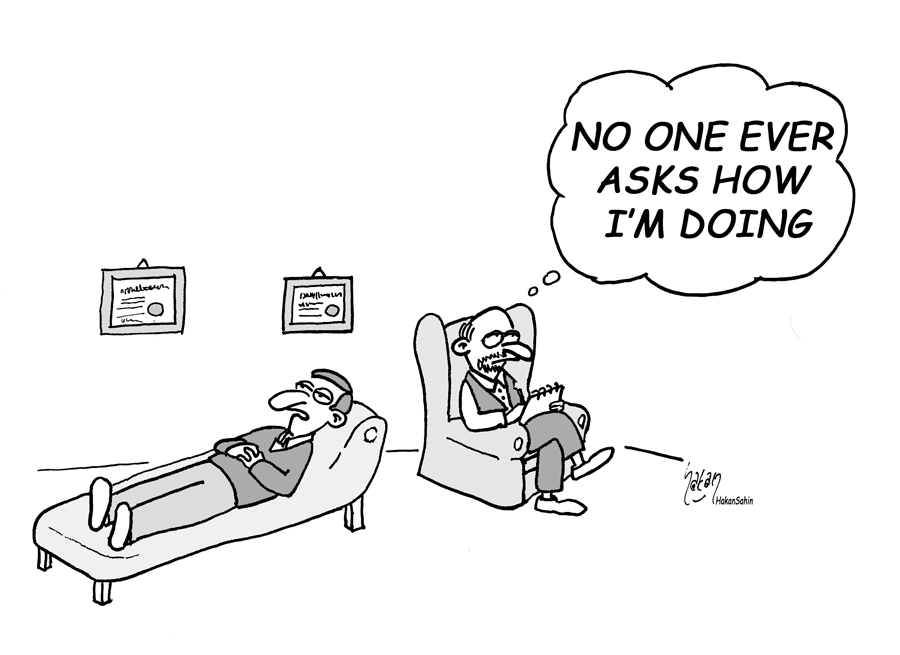
Source: January 9, 2026 | The Harvard Press | Editorial...
Shifting from Negative to Positive Self-Talk
I eventually worked out that negative self-talk wasn’t serving me any good and it was in fact stopping me from progressing further in my studies. So I wanted to understand what is positive self-talk?
“Positive self-talk involves using encouraging & affirming language with yourself, which can boost confidence & improve emotional wellbeing.” PositivePsycholog.com
Aha, so I needed to shift from negative to positive self-talk. It seemed like it a three-step process.
Here is a self-talk activity to try, if you need to add a dash of colour and fun get out a nice piece of paper and your favourite markers, paints, markers or colourful scented pens that sparkle!
Step 1: Self-awareness - become aware of my negative self-talk
Step 2: Challenge my negative thoughts with questions such as “Would I say this to my friend” or “what I say this to my children?”
Step 3: Replace your negative talk with positive talk such as “I’ve got this” or “Okay, let’s have a go” or “I can’t do that, yet”. Write it on a sticky note, paint a picture or just a beautiful hand written note to yourself.

Closing studio note, returning to study has opened up so many chances to expand my knowledge hive and keep adding to my little bank of buzzing ideas. It was challenging at first, absolutely—but over time it’s become easier, and the steady evidence of my progress has helped quiet that noisy inner critic. The negative self‑talk still pops up, but it’s more of a faint hum now than a swarm. If this article resonated with you, here are a few other hive‑threads you might enjoy exploring next.
If you have been stung by learning mojo energy and wish to keep buzzing through my articles…
Wonderful and absolutely, coming back to studying and learning later offers a completely different approach. Your life experience offers perspective, discernment and just that experience and how they influence your life. Well done.
Good for you Katerina, good luck!